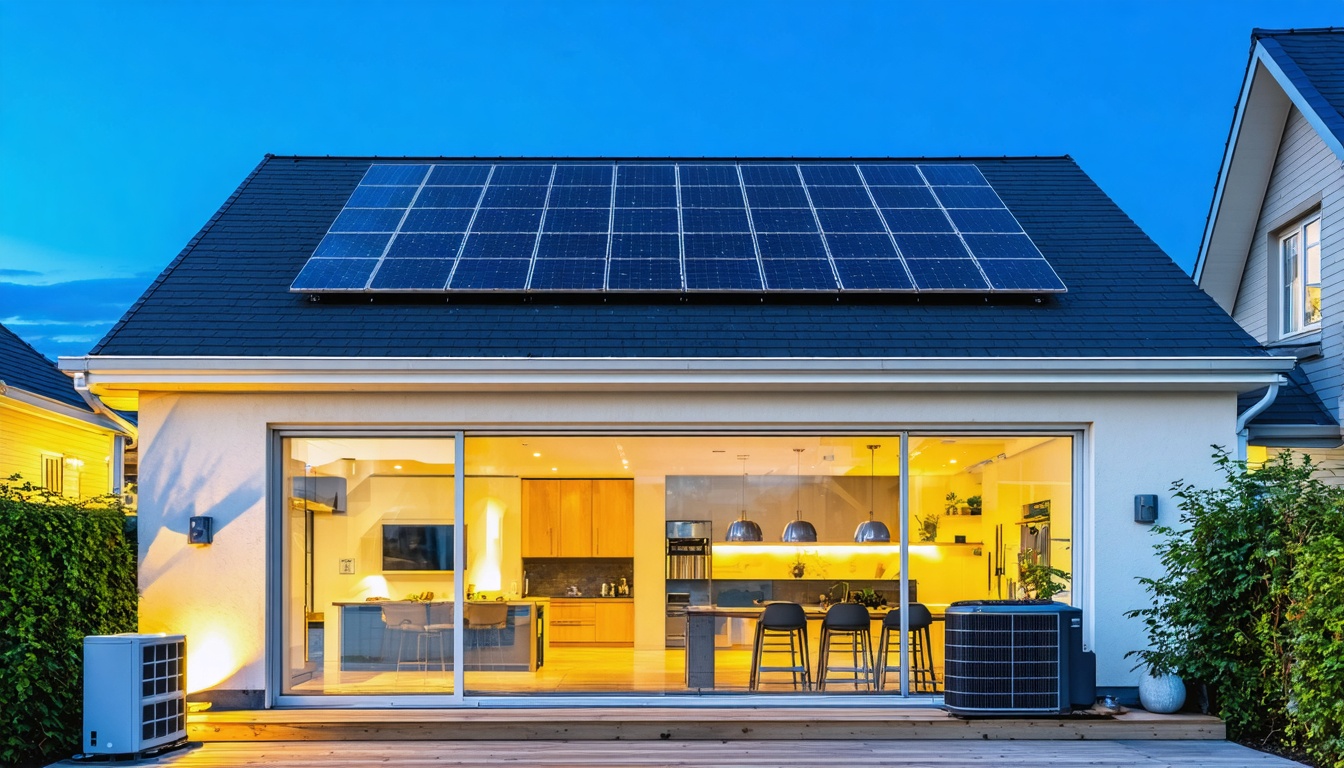
Home Energy Efficiency Improvements That Complement Solar Power
If you are considering or have already installed solar panels, optimizing your home's energy efficiency is a practical step to enhance the effectiveness of your solar investment. Improving energy efficiency in your home can lead to reduced utility costs and an overall more comfortable living environment. However, not all upgrades yield the same level of energy savings or ease of implementation. This analysis outlines key improvements that can significantly impact energy consumption and how they integrate with solar power systems.
1. **Insulation**: Enhancing your home's insulation can substantially reduce the demand for heating and cooling. Proper insulation in attics, walls, and floors minimizes heat transfer, leading to lower energy consumption and allowing solar panels to contribute more effectively to your energy needs.
2. **Energy-Efficient Windows**: Installing energy-efficient windows can decrease heat loss in winter and keep interiors cooler in summer. This not only supports energy savings but also helps ensure that your solar system can effectively offset the remaining energy usage.
3. **Heating and Cooling Systems**: Upgrading to high-efficiency HVAC systems can significantly improve energy efficiency. Systems that are properly sized and well-maintained work in conjunction with your solar power to reduce overall energy costs.
4. **Water Heating**: Traditional water heating can account for a large portion of energy use. Switching to solar water heaters or energy-efficient electric water heaters can complement solar power by utilizing the generated electricity more effectively.
5. **Energy-Efficient Appliances**: Replacing old appliances with energy-efficient models will lower your overall energy consumption. Look for ENERGY STAR-rated appliances, which use significantly less energy than standard models.
6. **Lighting Upgrades**: Transitioning to LED lighting reduces energy use compared to traditional incandescent or fluorescent bulbs. This upgrade can make a noticeable difference in overall energy demand.
7. **Smart Technology**: Implementing smart home technology can optimize energy use by allowing you to monitor and control energy consumption patterns. Smart thermostats, for example, can adjust heating and cooling schedules based on occupancy and preferences, potentially increasing the effectiveness of solar energy usage.
In conclusion, when considering improvements to your home alongside solar power installation, focusing on these energy-efficient upgrades can lead to valuable savings and enhanced comfort. By prioritizing these options, homeowners can ensure that their investment in solar panels operates at peak efficiency.
Understanding the Relationship Between Energy Efficiency and Solar Power
Focusing on energy efficiency before the installation of solar panels can help homeowners reduce their energy demand.
By addressing energy efficiency, a solar system can potentially satisfy a larger portion of a household's energy needs. Upgrading appliances, windows, doors, and heating and cooling systems—such as heat pumps or air source solutions—can lead to lower utility bills and increase the return on investment for solar installations.
Homeowners in New York, such as those considering Residential Solar Panels in Yonkers, may be eligible for federal tax credits related to energy-efficient upgrades. Reducing dependence on natural gas and fossil fuels can result in cost savings, improved indoor air quality, and a smaller carbon footprint.
Utilizing resources like savings calculators can assist homeowners in estimating the financial benefits of these enhancements.
In summary, adopting a comprehensive strategy that prioritizes energy efficiency can yield significant advantages in tandem with solar panel installation.
Air leaks around windows, doors, and fixtures are known contributors to heat loss in residential buildings. This heat loss can increase energy expenses and negatively affect indoor comfort. By effectively sealing these air leaks, homeowners can improve the thermal performance of their residences, which may result in lower costs for heating, cooling, and hot water.
To achieve better insulation, options include the installation of storm windows or the upgrading of existing windows and doors to energy-efficient models. These measures may not only enhance a home's insulation properties but could potentially elevate the market value of the property and reduce its carbon footprint.
Furthermore, homeowners may be eligible for federal tax credits as outlined by the Internal Revenue Service for such energy-efficient upgrades.
In the United States, various air sealing solutions are available for homeowners, including those in New York. Conducting an energy audit can pinpoint specific air leaks and provide an understanding of potential energy savings from remedial actions.
Additionally, using a Savings Calculator can aid in assessing the financial advantages linked to energy efficiency enhancements and solar energy investments.
Enhancing Insulation for Greater Energy Savings
Improving energy efficiency in residential buildings typically begins with sealing air leaks; however, upgrading insulation is essential for achieving a substantial reduction in overall energy consumption. Enhanced insulation in attics and walls can lead to more effective use of solar energy and may result in cost savings, while also decreasing dependence on natural gas and fossil fuels.
Research indicates that materials like spray foam insulation can reduce heating and cooling costs by approximately 50%. This efficiency not only impacts overall energy bills but also contributes to a more consistent indoor temperature.
Homeowners in New York and other parts of the United States may also be eligible for federal tax credits related to insulation upgrades, which can alleviate some of the financial burdens associated with these enhancements.
For those interested in assessing the potential savings from improved insulation, various tools such as Savings Calculators and Frequently Asked Questions resources can offer insights into energy savings potential, the impact on property value, and improvements in indoor air quality.
Moreover, upgraded insulation may complement other energy-efficient systems in the home, such as appliances, water heaters, and battery storage solutions, thus offering a multifaceted strategy for enhancing overall energy efficiency.
Upgrading Doors and Windows for Reduced Energy Loss
Upgrading to energy-efficient doors and windows is a methodical approach to reducing energy loss in residential buildings. Such upgrades can improve the efficiency of solar power systems by better retaining indoor heat, which may lead to lower electricity bills and reduce reliance on natural gas and fossil fuels.
Homeowners may choose Energy Star® certified windows and doors, along with the installation of storm windows, which are known to enhance air quality and indoor comfort.
These modifications not only increase energy efficiency but may also be eligible for federal tax credits via the Internal Revenue Service (IRS), thereby mitigating some of the initial investment costs.
For those contemplating these upgrades, it is recommended to utilize resources such as the Savings Calculator or review the Frequently Asked Questions provided by relevant agencies to gain an understanding of the financial advantages and environmental consequences of these improvements.
Installing Energy-Efficient Lighting and Appliances
Upgrading home lighting and appliances to energy-efficient models is a practical strategy for improving the performance of a solar power system. Energy Star® certified appliances, such as refrigerators and induction cooktops, are specifically designed to minimize electricity consumption. This reduction in usage leads to lower energy bills and a decreased carbon footprint, particularly when these appliances operate on solar power.
Additionally, enhancing heating and cooling systems, implementing smart thermostats, and switching to LED lighting can further improve energy efficiency. These upgrades complement air sealing measures aimed at addressing air leaks, which can contribute to energy loss in a home.
Homeowners in New York and other regions of the United States may qualify for federal tax credits from the Internal Revenue Service for these energy efficiency improvements.
These credits can provide financial assistance that helps mitigate the costs associated with upgrading to energy-efficient technologies. Interested individuals are encouraged to consult resources such as the Savings Calculator and the Frequently Asked Questions section available from authoritative sources for more information on available credits.
Optimizing Water Heating for Lower Energy Consumption
Homeowners often prioritize improving lighting and appliance efficiency; however, optimizing water heating systems is also an effective approach to decrease energy consumption and enhance the value of solar power installations. Upgrading to energy-efficient heat pump water heaters can result in annual savings of approximately $550. This financial benefit may also have a positive influence on property valuation.
In addition, implementing measures such as proper air sealing, insulation, and the installation of storm windows and doors can help to reduce heat loss. These improvements can consequently lead to lower energy bills and a diminished environmental footprint.
Furthermore, certain upgrades may qualify for federal tax credits as detailed by the Internal Revenue Service, which can provide financial incentives for homeowners.
Installing low-flow fixtures is another method to decrease hot water demand, which can maximize overall energy savings. These combined measures facilitate reduced utility costs while contributing to broader energy conservation initiatives.
Implementing Advanced Heating and Cooling Solutions
Implementing advanced heating and cooling solutions can improve the efficiency of solar energy investments. The incorporation of appliances such as air source heat pumps and ground source heat pump systems can lead to decreased reliance on fossil fuels and natural gas, and potentially lower electricity expenses.
These systems are designed to enhance indoor air quality, address air leaks, and function effectively alongside solar energy systems, battery storage, and various clean energy initiatives.
In the United States, specifically in New York and certain eligible states, homeowners can access federal tax credits that incentivize these upgrades. Such financial incentives may assist in offsetting the initial investment costs associated with these systems.
Additionally, savings calculators are available to help homeowners evaluate the financial advantages of engaging in these energy efficiency improvements.
Another practical option for enhancing energy efficiency is the use of storm windows, which can contribute to cost savings and support broader environmental objectives.
Integrating Sustainable Cooking Technologies
In recent years, an increasing number of homeowners have begun incorporating advanced cooking technologies in conjunction with solar energy systems. This trend is driven by a desire for enhanced efficiency and sustainability. Induction cooktops, for instance, are recognized for their energy efficiency, as they reduce reliance on natural gas and can lead to lower electric bills.
These appliances not only optimize energy utilization but also assist in minimizing a household's carbon footprint.
Homeowners in states such as New York, along with others across the United States, may qualify for federal tax credits pertaining to specific energy-efficient improvements. Detailed information regarding eligibility and guidelines can be obtained from the Internal Revenue Service (IRS).
The integration of sustainable cooking technologies as part of broader residential clean energy initiatives can provide benefits that extend beyond energy savings. These technologies may contribute to improved indoor air quality and can affect overall living expenses positively.
Consequently, homeowners adopting such systems may find that they fulfill both environmental goals and enhance the financial efficiency of their homes.
Adopting Water Conservation Measures in the Home
Implementing water conservation measures in the home can improve overall efficiency and support the advantages of solar power systems. Upgrading to low-flow fixtures and WaterSense-labeled appliances serves as a practical approach to reduce water and energy consumption, which can lead to lower utility bills and enhance indoor air quality.
Insulating and sealing air leaks in bathroom areas can further contribute to energy savings by decreasing the demand for heating and cooling. Homeowners across New York and the United States are increasingly adopting efficient water heating options, such as heat pump water heaters.
These technologies can provide financial benefits and contribute to reducing carbon emissions. Collectively, these water conservation strategies can enhance the value of a home and improve the return on investment for solar energy systems by lowering utility costs and promoting a more sustainable household.
Leveraging Tax Credits and Incentives for Home Upgrades
Maximizing investment in home energy upgrades can be effectively achieved by utilizing federal tax credits and incentives, which help offset the initial costs associated with energy-efficient improvements. In the United States, eligible projects encompass solar panel installations, energy-efficient appliances, air source heat pumps, battery storage, water heater upgrades, and the installation of storm windows and doors.
Adopting energy-efficient practices, such as air sealing and improving indoor insulation, can contribute to reduced electricity consumption and decreased reliance on natural gas, thereby helping to lower overall carbon emissions. Homeowners may qualify for tax deductions that cover eligible costs, including those related to energy audits.
It is advisable for individuals to review the Internal Revenue Service (IRS) guidelines to understand the specific eligibility requirements and procedures for claiming these credits.
Additionally, residents of New York, along with certain businesses, may benefit from programs such as the Residential Clean Energy Saving program. This initiative aims to enhance indoor air quality and increase property value through sustainable upgrades.
Such programs provide immediate financial advantages while also fostering energy conservation and aligning with long-term environmental objectives.
Conclusion
Making your home more energy efficient can enhance the effectiveness of your solar power system, while also reducing utility costs and improving overall comfort. Implementing practical upgrades, such as sealing air leaks and installing smart thermostats, can effectively decrease energy consumption and lower the carbon footprint.
These improvements often complement solar panel installations by ensuring that less energy is wasted, allowing for better alignment between energy production and consumption. Homeowners may consider available incentives for energy efficiency enhancements, such as rebates or tax credits, which can help offset the initial costs.
Addressing improvements incrementally can facilitate a manageable approach to achieving a more sustainable and cost-effective home. Each upgrade contributes to creating a more energy-efficient environment, aligning with both personal financial goals and broader environmental objectives.



 close
close